Connecting cursive letters worksheets

Twelve pages that practise the joins between letters, the part of cursive most children find hardest. Easy baseline joins come first, high joins last.

The whole set: 12 pages, ages 7 to 10
PDF, US Letter A4 PDF

Every page in the set

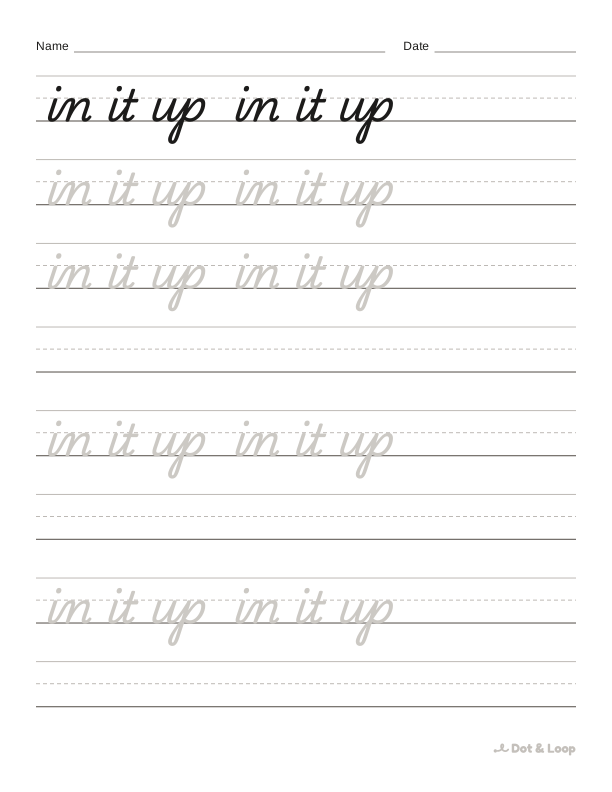
Connecting cursive letters: in it up
Baseline joins in, it, up
PDF: Letter A4
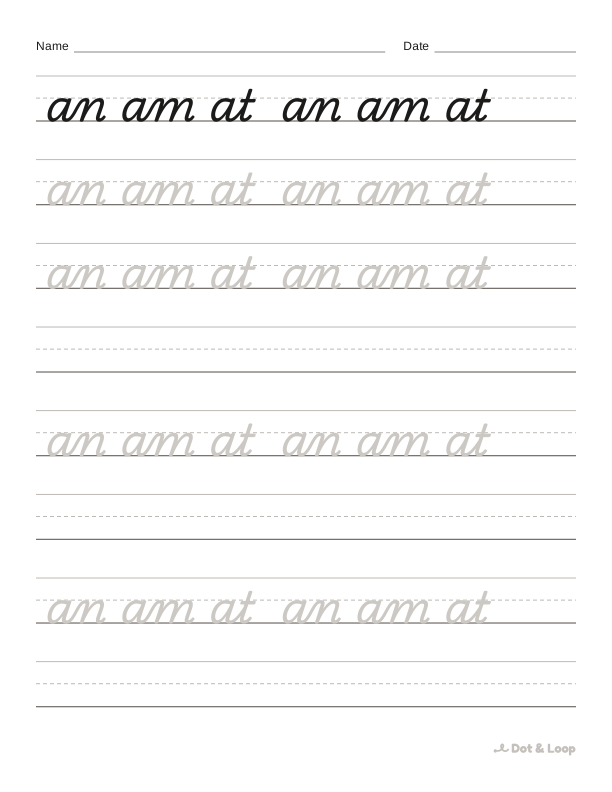
Connecting cursive letters: an am at
Joins after a an, am, at
PDF: Letter A4
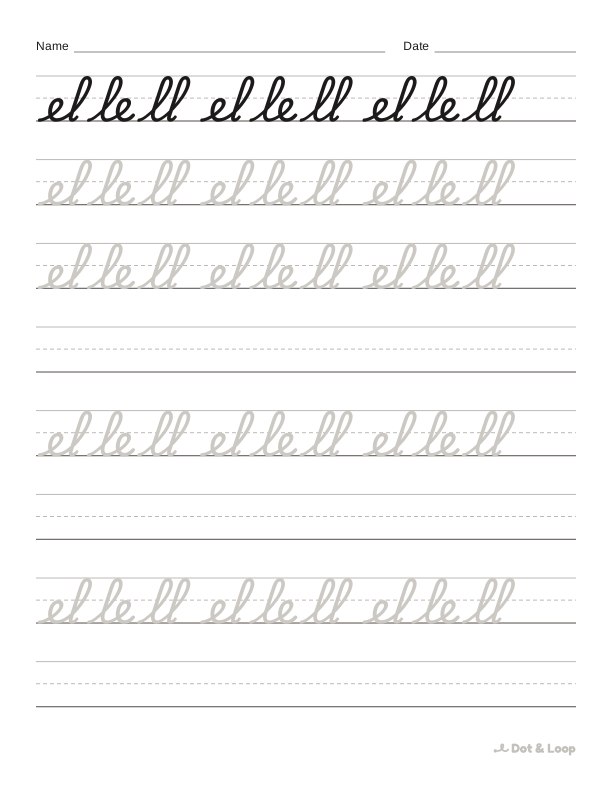
Connecting cursive letters: el le ll
Tall loop joins el, le, ll
PDF: Letter A4
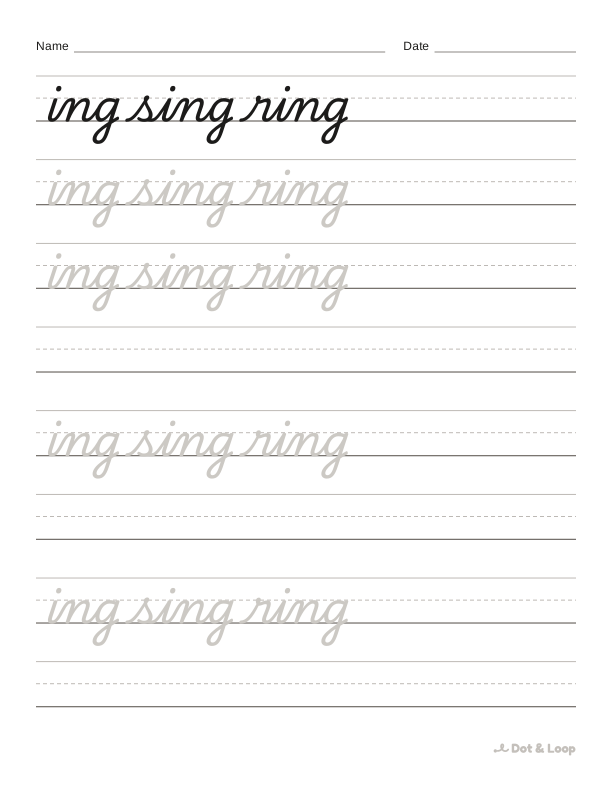
Connecting cursive letters: ing sing ring
The -ing ending ing, sing, ring
PDF: Letter A4
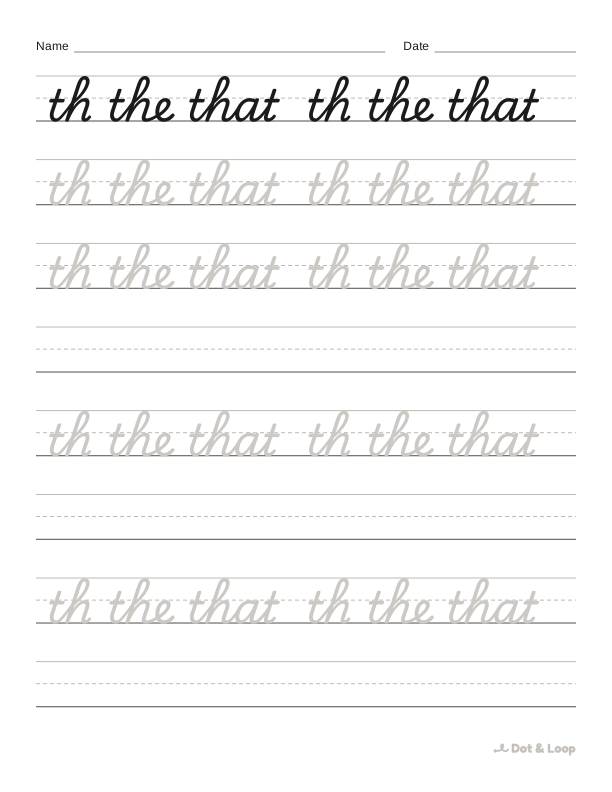
Connecting cursive letters: th the that
Joins into h th, the, that
PDF: Letter A4
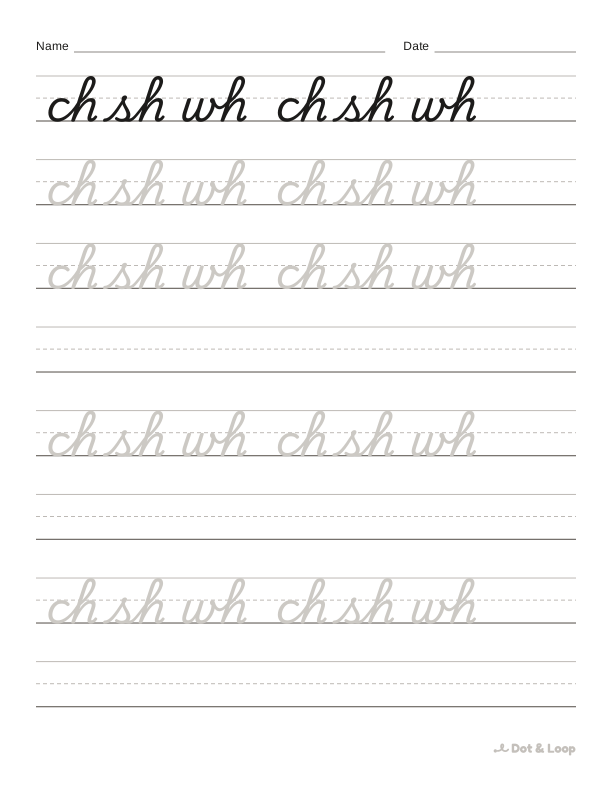
Connecting cursive letters: ch sh wh
Joins before h ch, sh, wh
PDF: Letter A4
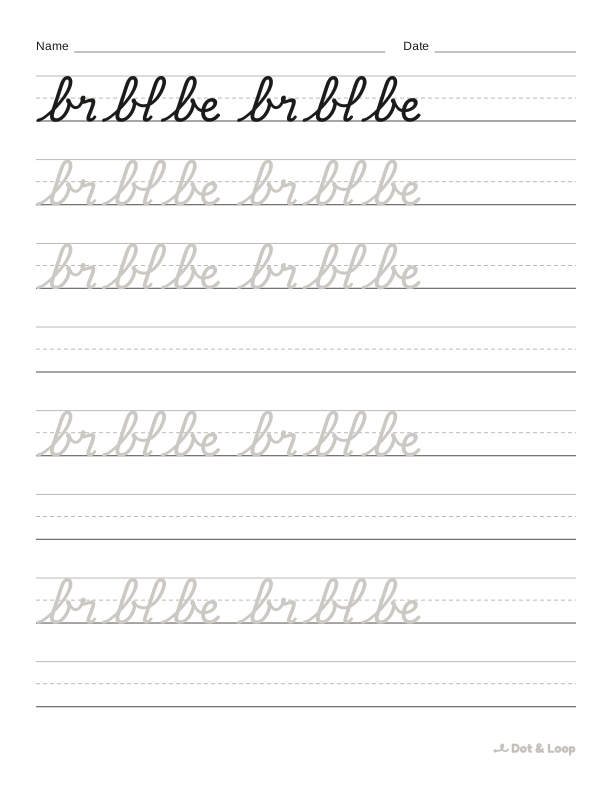
Connecting cursive letters: br bl be
High joins after b br, bl, be
PDF: Letter A4
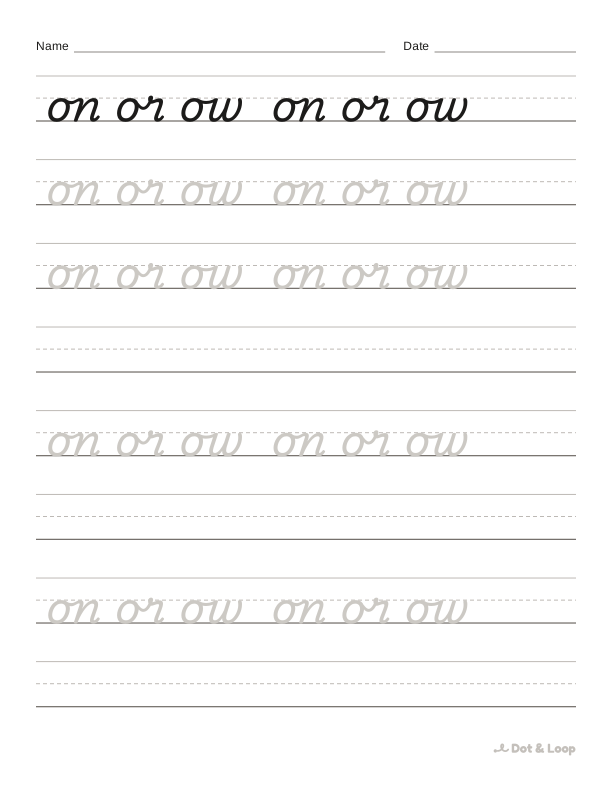
Connecting cursive letters: on or ow
High joins after o on, or, ow
PDF: Letter A4
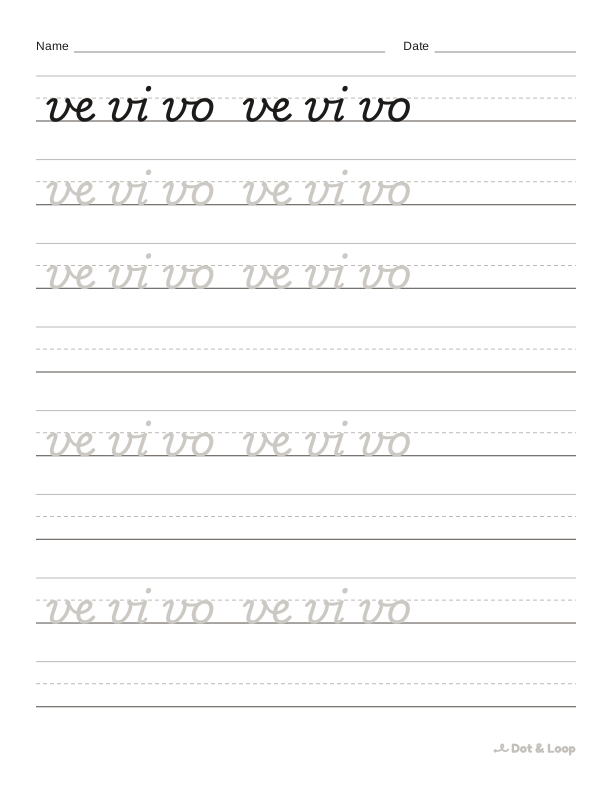
Connecting cursive letters: ve vi vo
High joins after v ve, vi, vo
PDF: Letter A4
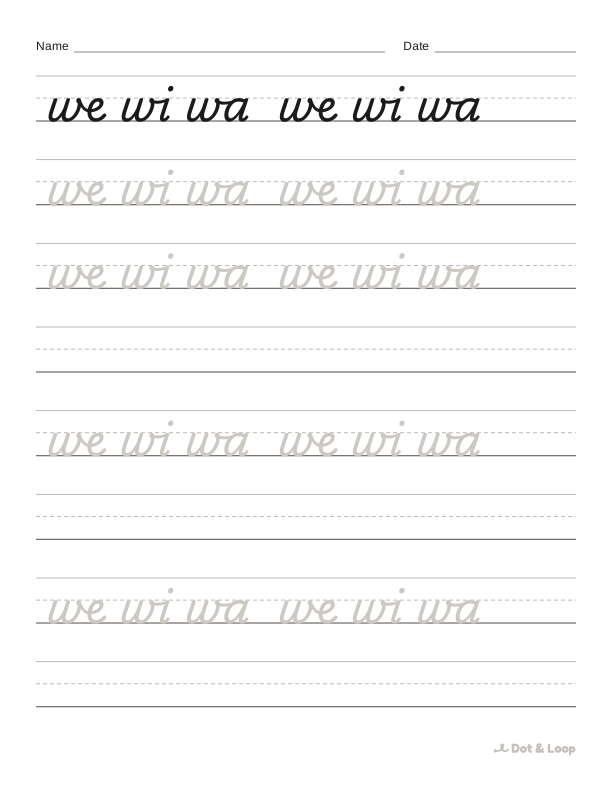
Connecting cursive letters: we wi wa
High joins after w we, wi, wa
PDF: Letter A4
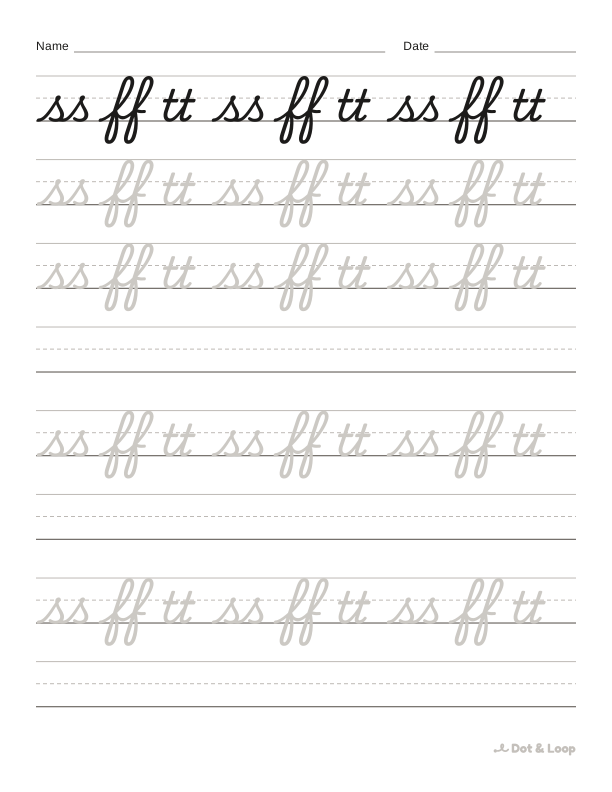
Connecting cursive letters: ss ff tt
Double letters ss, ff, tt
PDF: Letter A4
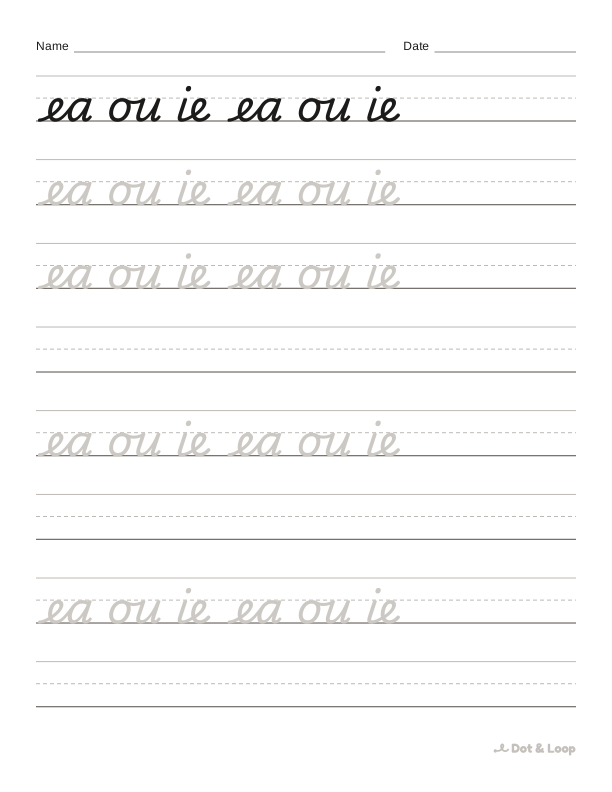
Connecting cursive letters: ea ou ie
Vowel pairs ea, ou, ie
PDF: Letter A4

How to use this set

  1. Do these after a child can write single letters, one page a day in order.
  2. On the high-join pages, watch that the join stays at the midline after b, o, v and w, and never dips down.
  3. Keep the pencil on the paper for the whole join; lift only at the end of the group.

Questions parents ask

Why do b, o, v and w join differently?

They end high, at the midline, so the next letter starts from up there instead of from the baseline. These are called high joins or bridge strokes.

Should children ever lift the pencil?

Yes, to dot i and j and cross t and x after the word is finished.

More sets

Search